


Vitamin D and Testosterone: What’s the Connection?
November 6, 2025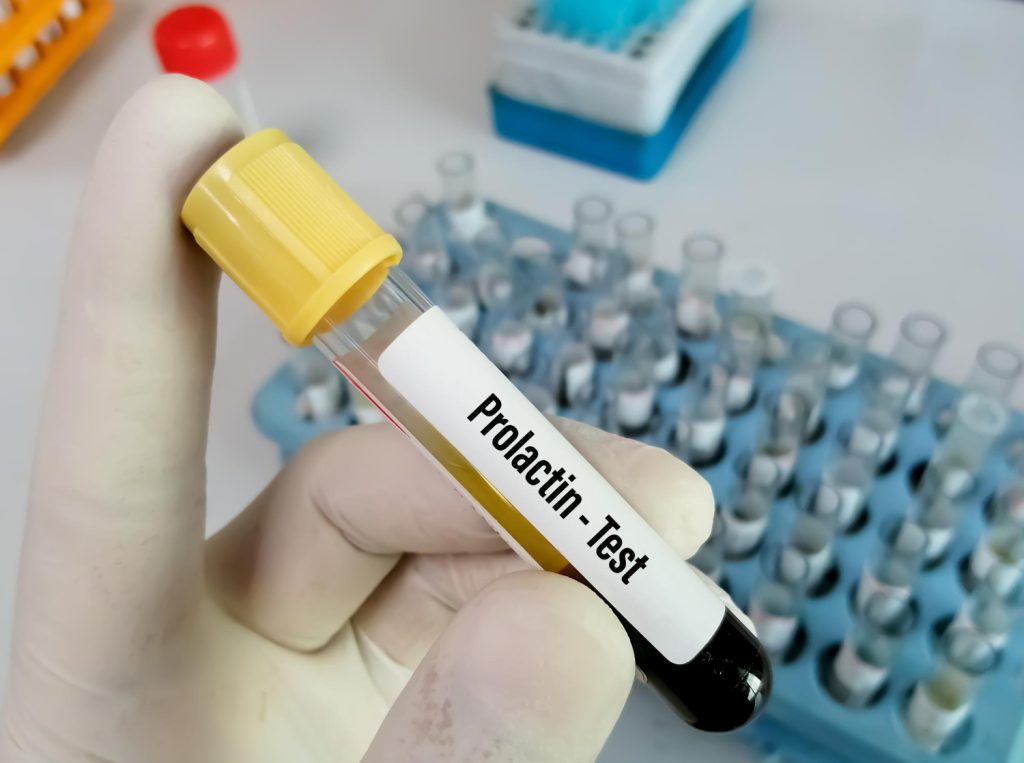
Prolactin is a hormone produced by the pituitary gland and, although it is mainly considered a “female” hormone due to its role in lactation, it also plays a crucial role in the male body. Its balance is essential for hormonal function, testosterone production, and sexual health. However, when its levels rise, prolactin can become a “silent” factor that negatively affects libido, erections, and fertility.
Although hyperprolactinemia can occur at any age, it often remains undiagnosed for a long time, as symptoms develop gradually and are frequently attributed to stress, aging, or fatigue. Understanding the role of prolactin is essential for every man who wishes to maintain hormonal balance and sexual well-being.
What is prolactin and what is its role in men?
Prolactin is a multifunctional hormone with effects on many organs of the body. In men, it plays an important role in:
- regulation of testosterone production
- proper functioning of the testes
- maturation and motility of sperm cells
- proper functioning of the hypothalamus and pituitary gland
- sexual desire and erection
At normal levels, prolactin supports the balance of the hormonal axis. However, when elevated, it triggers a chain of effects that directly impact male health.
How elevated prolactin reduces libido
Reduced libido is one of the earliest and most common symptoms of hyperprolactinemia. This occurs because:
- elevated prolactin suppresses gonadotropins (LH and FSH)
- reduces testosterone production in the testes
- affects the brain centers responsible for sexual arousal
Men with elevated prolactin often report:
- lack of sexual interest
- reduced sexual pleasure
- a sense of “mental fatigue” that affects the desire for intimacy
Low libido is not a psychological issue: it is often purely hormonal.
Prolactin and erection: The hormonal balance that determines sexual function
Erection is a complex function that requires:
- hormonal balance
- proper blood flow
- healthy nerve function
- psychological readiness
When prolactin levels rise, it affects erection in multiple ways:
- It lowers testosterone, causing weak or unstable erections.
- It suppresses the brain’s sexual response center.
- It disrupts the orgasmic mechanism, causing difficulty in ejaculation or reduced pleasure.
In men with hyperprolactinemia, the following may occur:
- erectile dysfunction
- delayed orgasm
- shorter duration of erection
- low semen volume
Symptoms often worsen over time, which is why early diagnosis is important.
How prolactin affects testosterone and fertility
Elevated prolactin disrupts the normal function of Leydig cells in the testes, resulting in:
- reduced testosterone production
- lower sperm motility
- reduced sperm quality
- potential infertility
Research shows that hyperprolactinemia is one of the most underestimated factors in male infertility, as it affects both the hormonal and functional quality of sperm.
Causes of elevated prolactin in men
Hyperprolactinemia can be caused by:
1 Prolactinoma
A benign pituitary tumor that produces excessive prolactin.
It can cause headaches and vision disturbances.
2. Hypothyroidism
Low thyroid function reflexively increases prolactin levels.
3 .Medications
Such as:
- antidepressants
- antipsychotics
- antihypertensives
- opioids
4. Stress and sleep deprivation
Cortisol affects the pituitary axis.
5. Chronic kidney disease or liver dysfunction
6. Hormonal disorders or hypogonadism
7. Excessive use of alcohol or cannabis
Identifying the cause fully determines the treatment.
Symptoms that should prompt a man to seek medical attention
Elevated prolactin may manifest as:
- low sexual desire
- ERECTILE DYSFUNCTION
- loss of energy and fatigue
- reduced exercise performance
- gynecomastia or breast tenderness
- weight gain
- infertility
- frequent mood swings
If a prolactinoma is present, the following may also occur:
- headaches
- blurred or reduced vision
How is hyperprolactinemia diagnosed?
The evaluation is straightforward and includes:
- measurement of prolactin in the blood
- testing of testosterone, LH, and FSH
- thyroid function tests
- liver and kidney function tests
- pituitary MRI (when needed)
Analysis of the patient’s medical history and medications is also critical.
Treatment of elevated prolactin
Treatment depends on the underlying cause:
- Medication with dopamine agonists, which effectively reduce prolactin levels
- Treatment of hypothyroidism, when it is the underlying cause
- Change of medication if certain drugs are causing increased prolactin levels
- Hormone replacement therapy, when needed
- Surgical management of prolactinoma in rare cases
Most men experience a remarkable improvement in libido, erections, and testosterone levels within a few weeks of treatment.
Conclusion
In conclusion, elevated prolactin in men can lead to reduced libido, erectile dysfunction, and low testosterone, but with proper diagnosis and targeted treatment—including dopamine agonists, hormone replacement, or addressing underlying causes—most patients experience significant improvement within weeks.
At MenTest, one of the most specialized centers for hormonal restoration, the medical team precisely evaluates hormone levels and provides personalized treatment plans for men with elevated prolactin, low testosterone, or sexual dysfunction. Using modern methods, clinical expertise, and a holistic approach, our goal is to restore natural hormonal balance and improve overall male health and well-being.